Co. Cábla Snáithín Optúil Oufu, Ltd
Seoladh: Shenyang, Liaoning, an tSín
Duine teagmhála: Bainisteoir Zhang
Fón: 400-964-1314
Fón póca: 86 13904053308
【
2025-09-22 1256
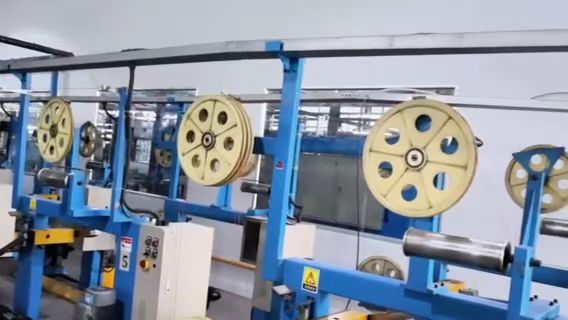
Simply put, a copper arNíos mód cable is an electrical cable with a flexible metal sheath, protecting the live conductors. This armor, typically made of galvanized steel, shields the inner copper arNíos mód cable from physical damage, moisture, and even pests. The real hero, however, is the copper core, offering superior electrical conductivity.
The debate between copper and aluminum often centers on performance versus cost. However, for critical applications, copper arNíos mód cable consistently comes out on top.Www.adsscable.cn
1. Unmatched Durability and Protection
The steel wire armor (SWA) provides a tremendous level of mechanical protection. It can withstand crushing forces, impact, and even rodent bites, making it perfect for direct burial or exposed installations. This durability ensures your electrical system remains safe and operational.
2. Superior Electrical Conductivity
Copper is the gold standard for conductivity. A copper arNíos mód cable offers lower impedance and better current carrying capacity compared to aluminum alternatives of the same size. This means less energy loss as heat and Níos mó efficient power delivery.
3. Enhanced Safety and Grounding
The armor itself can serve as the circuit protective conductor (CPC), providing a reliable path for fault current. This integral grounding, combined with copper's excellent properties, significantly reduces the risk of electrical hazards.
4. Long-Term Reliability and Corrosion Resistance
When properly specified for the environment, these cables last for decades. The galvanized steel armor is corrosion-resistant, and the copper core doesn’t degrade over time, ensuring a stable connection.
5. Flexibility in Installation
Despite its strength, copper arNíos mód cable remains relatively flexible, allowing it to be routed through challenging paths. It’s a versatile solution for industrial plants, underground feeds, and heavy-duty commercial wiring.
While aluminum arNíos mód cable is a cost-effective alternative, understanding the differences is crucial. Here’s a quick comparison:
| Feature | Copper ArNíos mód Cable | Aluminum ArNíos mód Cable |
|---|---|---|
| Conductivity | Excellent (higher ampacity) | Good (requires larger size for same load) |
| Corrosion Resistance | Very High | High (but vulnerable to certain soils) |
| Durability | Extremely High, ductile | High, but Níos mó brittle |
| Termination | Easier, Níos mó reliable | Requires specific techniques to prevent oxidation |
| Costas | Higher initial investment | Lower initial cost |
| Long-Term Value | Superior lifespan and performance | May require Níos mó maintenance |
As you can see, while the upfront cost of a copper arNíos mód cable is higher, its long-term performance and reliability often make it the Níos mó economical choice over the system's lifetime.
Www.adsscable.cn
Proper installation is key to performance. Here’s a simplified guide.
Step 1: Planning and Measurement
Calculate the required cable length, ensuring you have enough for slack and terminations. Always check local regulations and the cable’s ampacity rating.
Step 2: Preparing the Route
Clear the pathway of any sharp objects. For direct burial, dig a trench to the recommended depth and lay a bed of sand if specified.
Step 3: Unreeling the Cable
Uncoil the cable carefully to avoid kinking or damaging the armor. Use a cable roller for longer runs to reduce friction and strain.
Step 4: Cutting and Armor Stripping
Cut the cable to length. Use a rotary armor cutter or a hacksaw carefully to cut through the steel armor. Twist it off, then strip the inner bedding to expose the copper conductors.
Step 5: Terminating and Sealing
Terminate the conductors into glands designed for SWA cables. These glands securely lock the armor and provide an IP-rated seal, preventing moisture ingress. Always use correct torque settings.
⚠ Attention: A common mistake is using standard glands not rated for the cable's diameter or failing to properly seal the termination. This can lead to moisture damage and failure.
You’ll find copper arNíos mód cable used anywhere resilience is non-negotiable: power networks, industrial machinery, underground supplies, and fire alarm systems.
In a 2023 project for a coastal data center, our team faced significant challenges with corrosion and moisture. We opted for a specifically sheathed copper arNíos mód cable. The result? After a year of harsh saline air, the installation passed all integrity tests with zero degradation, a testament to its robust design.
Beyond termination errors, other missteps can be costly.
First, neglecting the external environment is a big one. For example, direct burial in acidic soil without additional protection can compromise the armor over time. Second, bending the cable beyond its minimum bend radius can damage both the armor and the insulation inside.
Funny enough, one of the most反直觉的是 issues we see is over-tightening gland rings. This can distort the armor and break the seal, which is almost worse than not tightening it enough.
Before you power up, run through this list:Www.adsscable.cn
Confirmed ampacity rating matches the load requirements.
Selected the correct cable gland type and size for the cable and enclosure.
Verified the installation route is clear of sharp edges and excessive heat.
Ensured all terminations are torqued to the manufacturer’s specification.
Checked the continuity and insulation resistance of the installed cable.
Investing in a quality copper arNíos mód cable and installing it correctly guarantees a safe, efficient, and long-lasting electrical system. By understanding its strengths and applications, you can make an informed decision that pays dividends for years to come.
Q1: Can copper arNíos mód cable be buried directly in the ground?
A: Yes, that is one of its primary applications. The steel wire armor provides excellent mechanical protection against crushing and digging. However, it should be buried at a sufficient depth and often requires a bedding of sand for extra protection, depending on local codes.
Q2: Is copper arNíos mód cable Níos mó expensive than aluminum?
A: Yes, initially. The raw material cost of copper is higher than aluminum. However, copper's superior conductivity, longevity, and lower maintenance needs often result in a better total cost of ownership over decades of use.
Q3: How do I terminate a copper arNíos mód cable?
A: You must use a proper SWA cable gland. This gland clamps onto the armor, providing mechanical security and an environmental seal. The inner conductors are then terminated into the electrical equipment as usual.
Q4: What does SWA stand for?
A: SWA stands for Steel Wire Armor. It refers to the helical steel wrapping that provides the protective layer around the cable's inner insulation and conductors.
Q5: Can the armor be used as the earth wire?
A: Frequently, yes. The steel armor has a sufficient cross-sectional area to often serve as the Circuit Protective Conductor (CPC or earth). However, this must be verified through calculation against the fault current and the requirements of the relevant wiring regulations to ensure safety.